
Geography & Atmospheric Science
Geography and Atmospheric Science at KU offers cutting-edge research and a rigorous education to make a real-world difference in people's lives.
About Our Programs

Geography
The study of geography encompasses landscape and physical features of the planet and human activity, the environment and resources, migration, and much more.

Atmospheric Science
The study of atmospheric science enables us to understand human interactions with the environment and generate solutions that make a real difference in people’s lives.


Geography and Atmospheric Science Events

News from the Geography & Atmospheric Science Department

Study: Faced with a hotter future, America needs better data and response plans
A new paper from researchers at the University of Kansas looks at extreme heat events in the United States, arguing a combination of inadequate data and unclear delineation of responsibility among government agencies leaves the nation unprepared for a hotter climate.

57 KU students receive Undergraduate Research Awards for spring 2026
This spring, 57 Jayhawks received an Undergraduate Research Award (UGRA) from the Center for Undergraduate Research & Fellowships. UGRA recipients are awarded a $1,000 scholarship as they work on mentored research and creative projects.
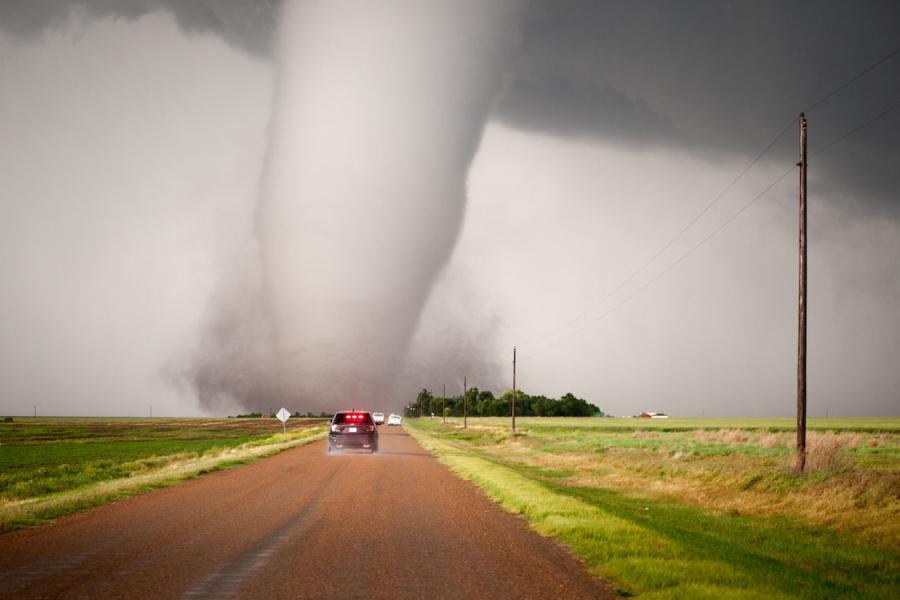
Tornado-forecast system can increase warning lead times, study finds
Today’s tornado warnings rely on radar data and regional spotters. By contrast, the Warn-on-Forecast System synthesizes observational data in real time and runs high-resolution simulations to gauge uncertainties and produce guidance for tornado and severe weather threats well before they form.
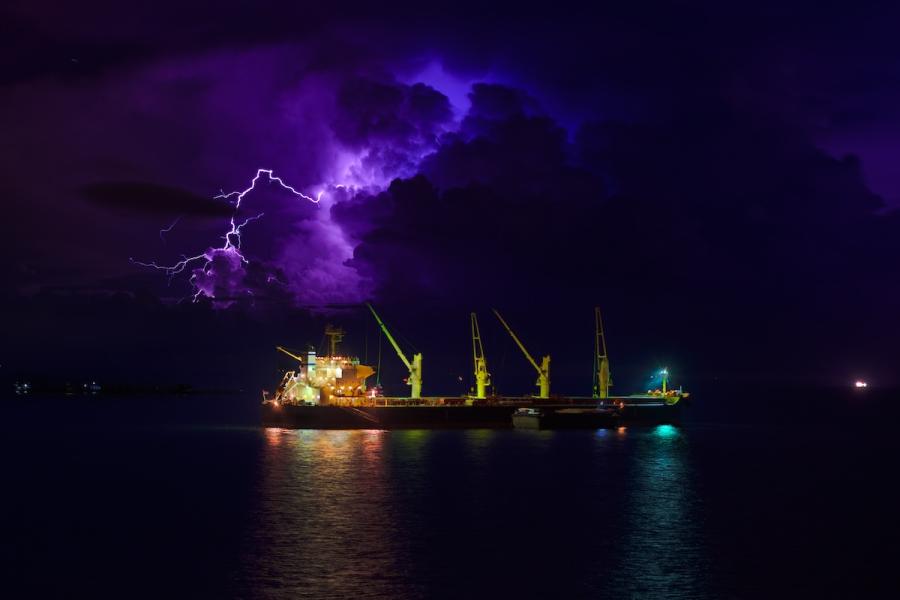
Cleaner ship fuel is reducing lightning in key shipping lanes, KU research shows
A University of Kansas researcher found lightning-stroke density — the number of individual lightning discharges, or “strokes,” per square kilometer — to be about 36% lower than before the 2020 IMO sulfur cap. Findings were published in the peer-reviewed journal Climate and Atmospheric Science.